

10 Home Decor Hallway Ideas
Introduction
Hallways often function as transitional spaces, yet they hold strong potential within home decor planning. In many Pinterest ideas collections, hallways are transformed into visually structured and functional areas that support both movement and aesthetic value. This article explains how to design hallway spaces using practical, beginner friendly approaches that align with modern design and minimalist style principles. The focus remains on creating organized, visually balanced environments using accessible materials and simple DIY methods. Readers will learn how to apply step by step techniques to improve narrow or unused hallway areas through decoration, storage, lighting, and layout adjustments. Each idea presented connects directly to real home decor needs, including space efficiency, organization, and visual clarity. These creative ideas are structured to support different hallway sizes and layouts without requiring complex tools or professional skills. The content emphasizes practical execution, ensuring that each approach can be implemented as an easy project with clear planning and preparation. By following this guide, readers can convert overlooked hallway areas into purposeful extensions of their home decor.
Why This Idea Is Trending or Useful
Hallway decoration has gained attention across Pinterest ideas due to increasing interest in maximizing underused areas in homes. Many modern layouts include compact or narrow corridors that require functional planning without overcrowding. This trend reflects a shift toward efficient organization and intentional design, where every part of the home contributes to usability. Hallways offer an ideal opportunity for DIY projects because they typically involve smaller surfaces, fewer materials, and manageable layouts. This makes them accessible for beginners who want to experiment with creative ideas without high cost or complexity. Additionally, hallway transformations support minimalist style goals by reducing clutter and improving spatial flow. Visual continuity between rooms is another reason for their popularity, as hallways connect different sections of a home. When decorated properly, they enhance overall aesthetic balance. The growing focus on budget ideas and handmade decoration also contributes to this trend, as hallway upgrades can often be completed using simple materials. This combination of practicality, affordability, and visual improvement makes hallway decor a relevant and widely shared topic.
Materials and Preparation
Preparing for hallway decoration requires careful planning to ensure efficient use of space and materials. Start by measuring the hallway dimensions, including wall height, width, and available floor space. This step helps determine what type of decoration or organization method will fit without causing obstruction. Common materials include wall paint, adhesive hooks, floating shelves, mirrors, framed artwork, and storage baskets. Tools such as a measuring tape, level, drill, screws, and adhesive strips are typically required for installation tasks. Before starting any DIY project, clean the walls and remove existing clutter to create a neutral base. Planning should include deciding on a consistent color scheme and selecting a style such as minimalist or modern design. Lighting conditions must also be evaluated, as hallways often lack natural light and may require additional fixtures. Budget planning ensures that materials are selected within cost limits while maintaining quality. Creating a rough layout or sketch helps visualize placement and spacing before installation begins. This preparation stage supports smoother execution and reduces the risk of errors during the project.
Idea 1: Minimalist Wall Gallery
How to Create
A minimalist wall gallery transforms a hallway into a structured visual display using simple design principles. This concept focuses on arranging a limited number of framed pieces in a clean and organized layout. The goal is to maintain balance without overcrowding the narrow space. Common elements include black-and-white prints, abstract artwork, or typography designs. Frames should follow a consistent style, such as uniform color or material, to maintain visual harmony. Spacing between frames plays a key role in achieving a neat appearance, typically kept equal throughout the arrangement. This approach aligns with modern design and supports a clutter-free environment. The hallway becomes a curated space rather than a storage area. Pinterest ideas often highlight this technique due to its simplicity and adaptability. It works effectively in both small and long hallways while maintaining a strong aesthetic presence.
The execution process begins by planning the layout on paper or using temporary wall markings. Measure equal distances between each frame to ensure alignment. Use a level to maintain straight placement during installation. Lightweight frames can be mounted using adhesive strips, while heavier frames may require screws and anchors. Arrange the frames at eye level for comfortable viewing. Begin installation from the center and work outward to maintain symmetry. After placement, step back and assess spacing adjustments if needed. This step by step method ensures accuracy and reduces repositioning. Materials required are minimal, making it a beginner friendly and budget ideas solution. Regular cleaning and occasional updates to artwork keep the gallery fresh without major changes.
Idea 2: Floating Shelf Display
Step-by-Step Guide
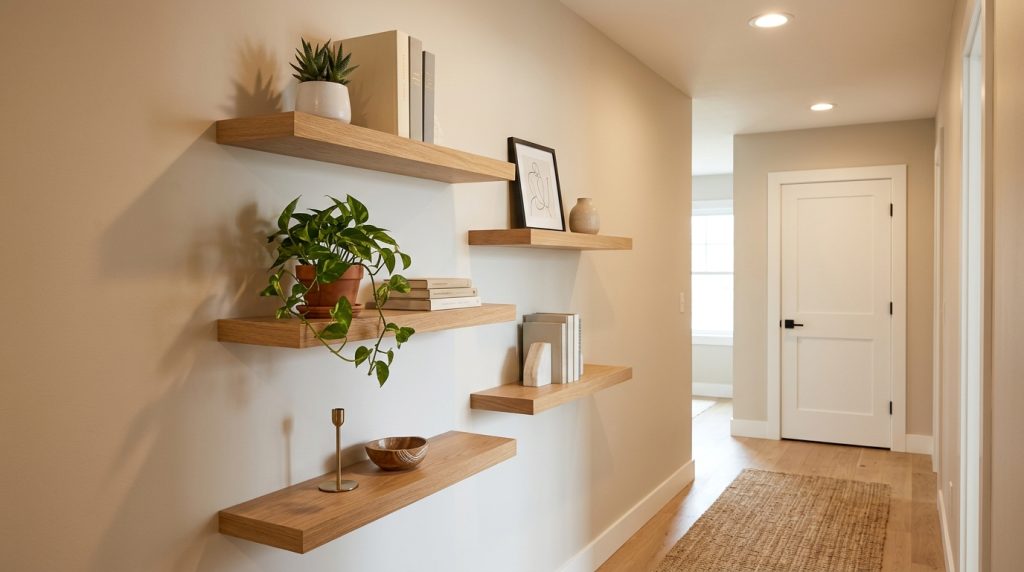
Floating shelves provide both decoration and organization in a hallway setting. This idea focuses on using horizontal surfaces to display small decorative items without occupying floor space. Items such as books, small plants, or decorative objects can be arranged in a controlled manner. The design remains minimal to prevent visual clutter. Shelves are typically installed at varying heights to create depth while maintaining balance. This method supports creative ideas by allowing customization based on personal style. It also improves functionality by adding storage in narrow spaces. Pinterest ideas often feature floating shelves because they combine aesthetics with practicality. The clean lines and simple structure align well with modern design principles.
To create this setup, begin by selecting shelves that match the hallway color scheme. Measure and mark installation points carefully, ensuring proper spacing between shelves. Use a level to maintain straight alignment. Drill holes and secure brackets if required, then attach the shelves firmly. Once installed, arrange items with attention to spacing and proportion. Avoid overcrowding by limiting the number of objects on each shelf. Balance heavier items with lighter ones to maintain visual stability. This step by step tutorial ensures that the shelves remain both functional and decorative. The materials required are widely available, making this an easy project for beginners.
Idea 3: Statement Mirror Installation
How to Make
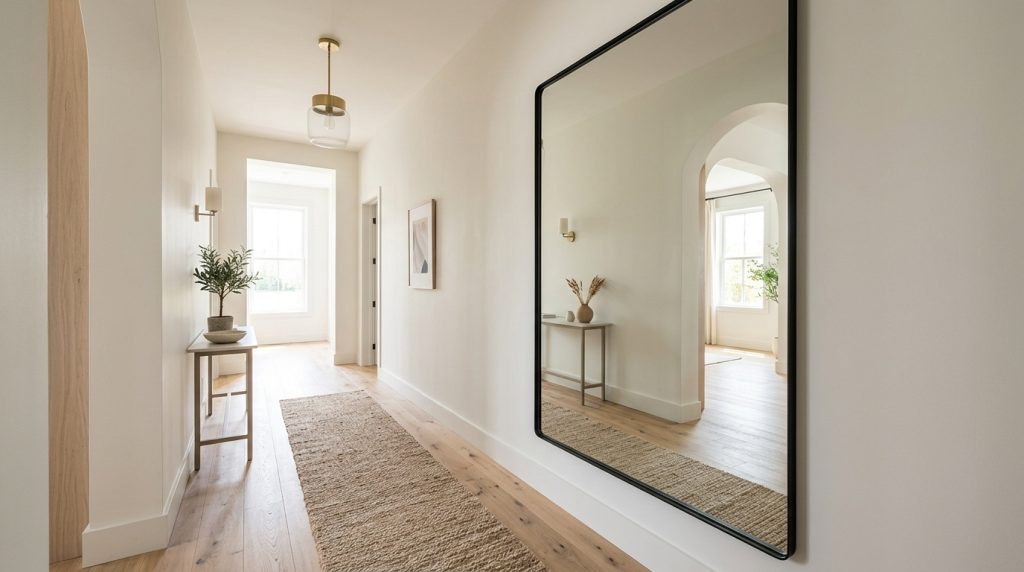
A statement mirror enhances both light and perceived space within a hallway. This idea involves placing a large mirror or a series of smaller mirrors to reflect light and create visual expansion. Mirrors are particularly effective in narrow hallways where natural light is limited. The reflective surface increases brightness and adds depth to the area. Frame selection plays a key role, as it contributes to the overall aesthetic. Simple frames support minimalist style, while textured frames add visual detail. This concept is widely used in Pinterest ideas because it delivers immediate impact without requiring extensive changes.
To implement this idea, select a mirror size appropriate for the hallway dimensions. Mark the placement area at eye level for optimal reflection. Secure the mirror using appropriate mounting hardware based on its weight. For heavier mirrors, wall anchors provide additional support. Ensure the mirror is level before final tightening. If using multiple mirrors, maintain equal spacing between each piece. This step by step process ensures safe installation and balanced placement. Materials include mounting hooks, screws, and measuring tools. This method is beginner friendly and does not require advanced skills.
Idea 4: Functional Storage Hooks
Execution Process
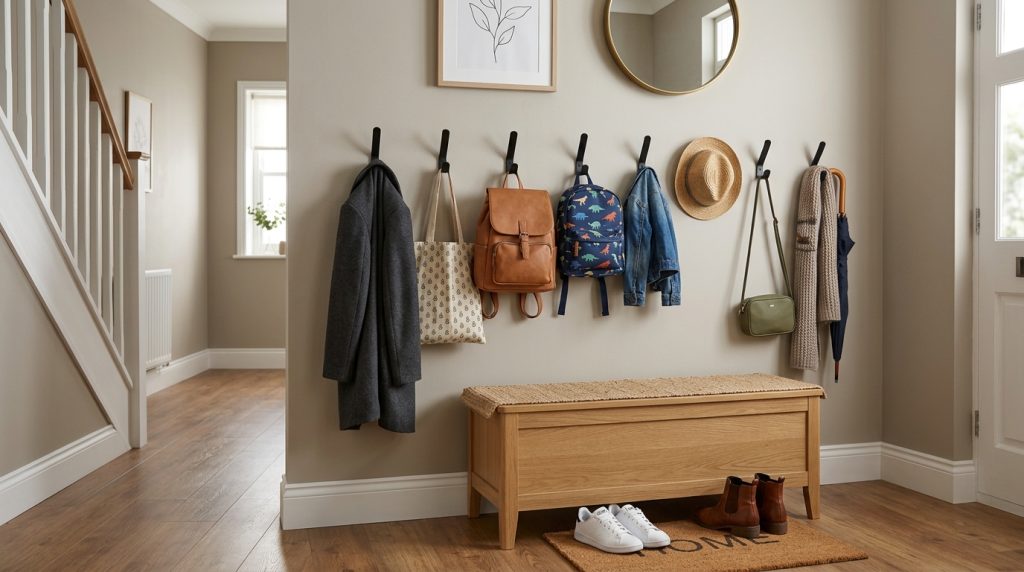
Wall-mounted hooks provide a practical solution for hallway organization. This idea focuses on creating a designated area for hanging items such as bags, coats, or accessories. The arrangement should remain structured to avoid clutter. Hooks can be aligned in a straight row or arranged in a grid pattern depending on available space. This approach improves functionality while maintaining visual order. It is commonly featured in Pinterest ideas due to its simplicity and usefulness.
Installation begins with marking equal distances between each hook. Use a level to ensure alignment. Drill holes and secure hooks with screws for durability. Lightweight hooks can also be installed using adhesive backing. Once installed, assign specific uses for each hook to maintain organization. This step by step method ensures consistency and usability. The materials required are minimal, making this an easy project suitable for beginners.
Idea 5: Narrow Console Table Setup
Setup Method
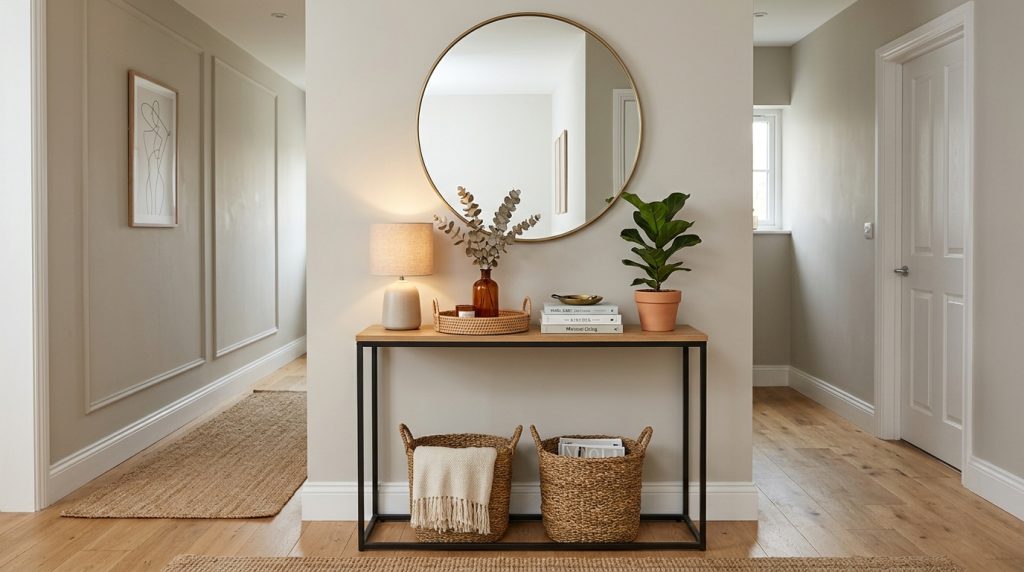
A narrow console table adds both style and function to a hallway. This idea involves placing a slim table against the wall to hold decorative items or everyday essentials. The design remains compact to avoid blocking movement. Common items include lamps, trays, or small storage boxes. This setup supports organization while enhancing aesthetic value. It is frequently seen in Pinterest ideas due to its versatility.
To create this setup, select a table that fits within the hallway width. Position it against the wall and ensure stability. Arrange items in a balanced manner, avoiding overcrowding. Use trays to group smaller objects for better organization. This step by step process ensures a clean and functional layout. Materials are simple and accessible, making it a beginner friendly option.
Idea 6: Accent Wall Painting
How to Create
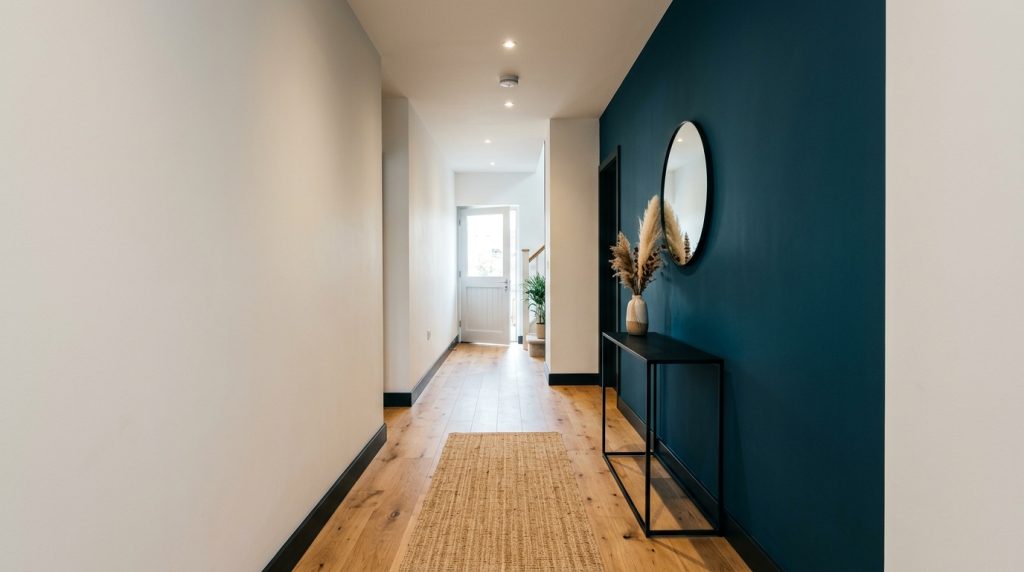
An accent wall introduces color variation into a hallway without overwhelming the space. This idea focuses on painting one wall in a contrasting or complementary shade. The purpose is to create visual interest while maintaining balance. Neutral tones support minimalist style, while bold colors create emphasis. This method is widely used in Pinterest ideas for its simplicity and impact.
Preparation involves cleaning the wall and applying primer if needed. Use painter’s tape to define edges and protect adjacent surfaces. Apply paint evenly using a roller, allowing proper drying time between coats. This step by step process ensures smooth coverage. Materials include paint, brushes, and tape. This DIY approach is beginner friendly and cost-effective.
Idea 7: Vertical Plant Arrangement
How to Make
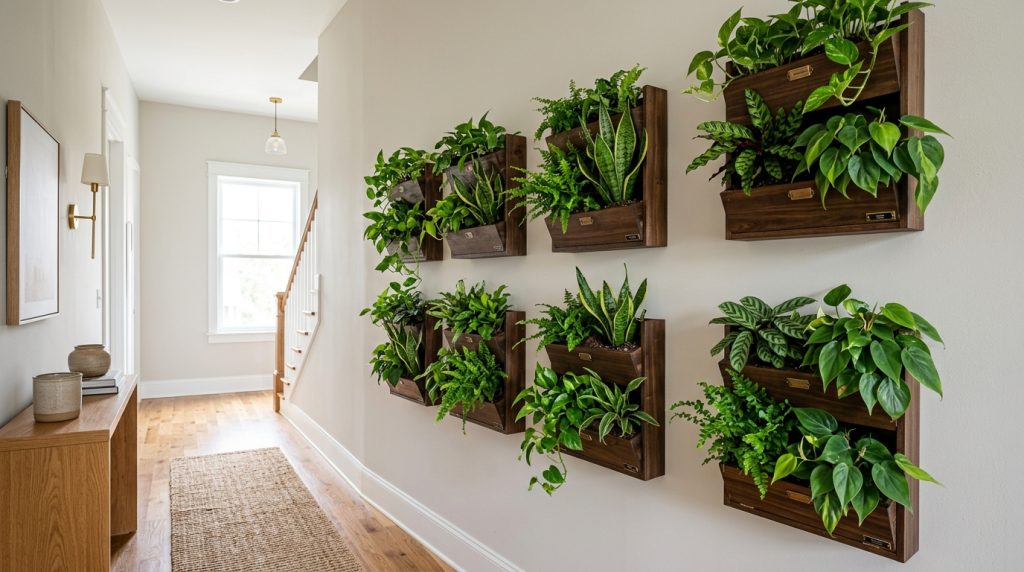
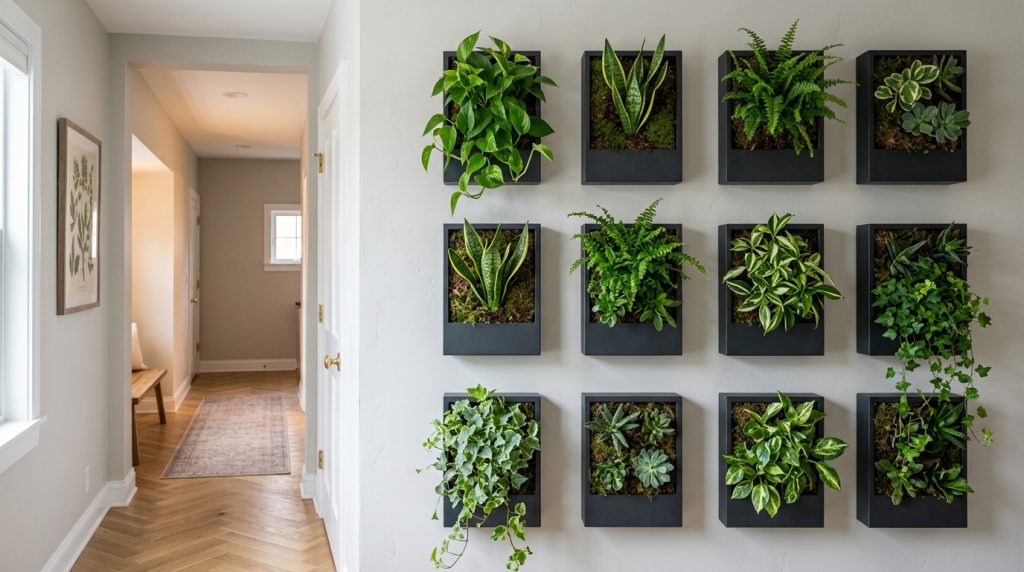
Vertical plant arrangements bring natural elements into hallway decor. This idea uses wall-mounted planters or shelves to display greenery without occupying floor space. Plants improve air quality and add texture to the environment. The arrangement should remain minimal to avoid clutter. This concept is commonly shared in Pinterest ideas due to its aesthetic appeal.
Installation involves securing planters to the wall using brackets or hooks. Choose low-maintenance plants suitable for indoor conditions. Arrange them with equal spacing for balance. Watering and maintenance should be planned to prevent damage to walls. This step by step method ensures proper setup. Materials include planters, soil, and mounting tools.
Idea 8: Lighting Enhancement Design
Step-by-Step Guide
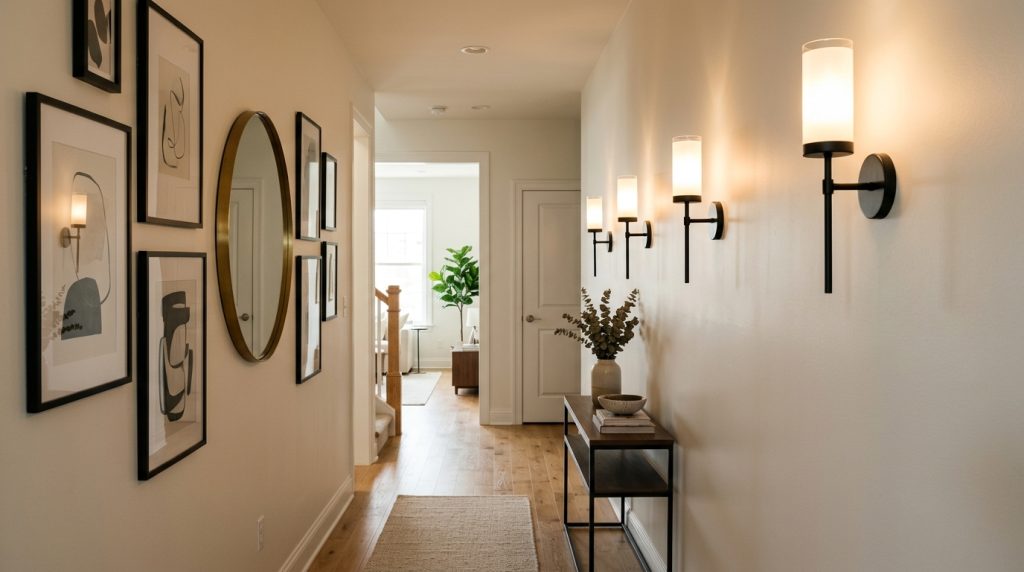
Lighting plays a critical role in hallway decor. This idea focuses on adding wall sconces or LED strips to improve visibility and ambiance. Proper lighting enhances both functionality and appearance. This approach aligns with modern design and is frequently featured in Pinterest ideas.
Begin by selecting appropriate lighting fixtures. Mark installation points and ensure wiring access if required. Secure fixtures according to instructions. Test lighting placement before final installation. This step by step process ensures effective illumination. Materials include fixtures, wiring tools, and mounting hardware.
Idea 9: Decorative Runner Rug
Execution Process
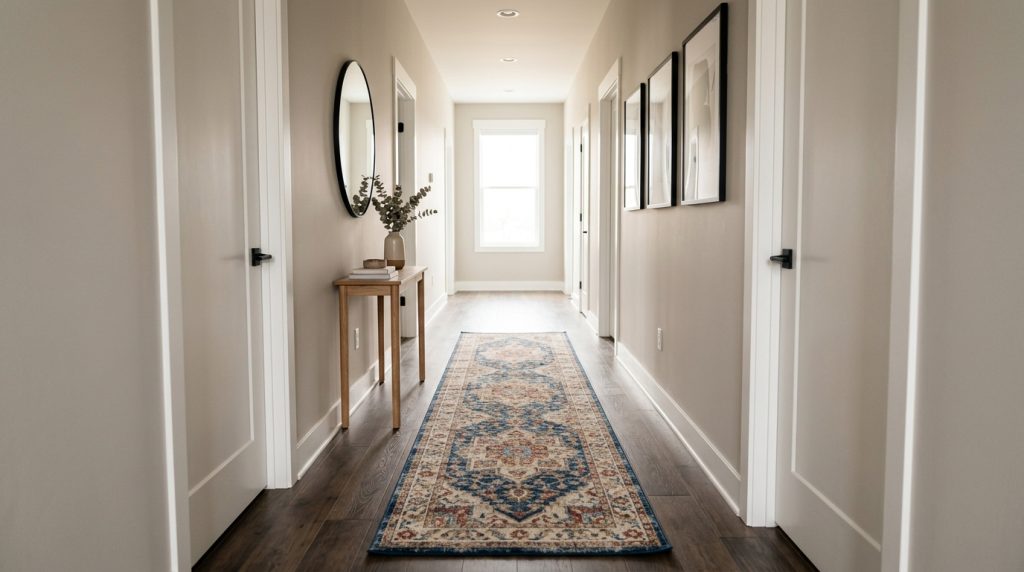
A runner rug adds texture and defines the walkway within a hallway. This idea focuses on selecting a rug that fits the length and width of the space. Patterns should complement the existing decor. This method is commonly used in Pinterest ideas to enhance visual continuity.
Place the rug centrally and ensure it lies flat. Use anti-slip padding to prevent movement. Align it with the hallway edges for symmetry. This step by step approach ensures proper placement. Materials include the rug and padding.
Idea 10: Built-In Storage Niches
How to Create
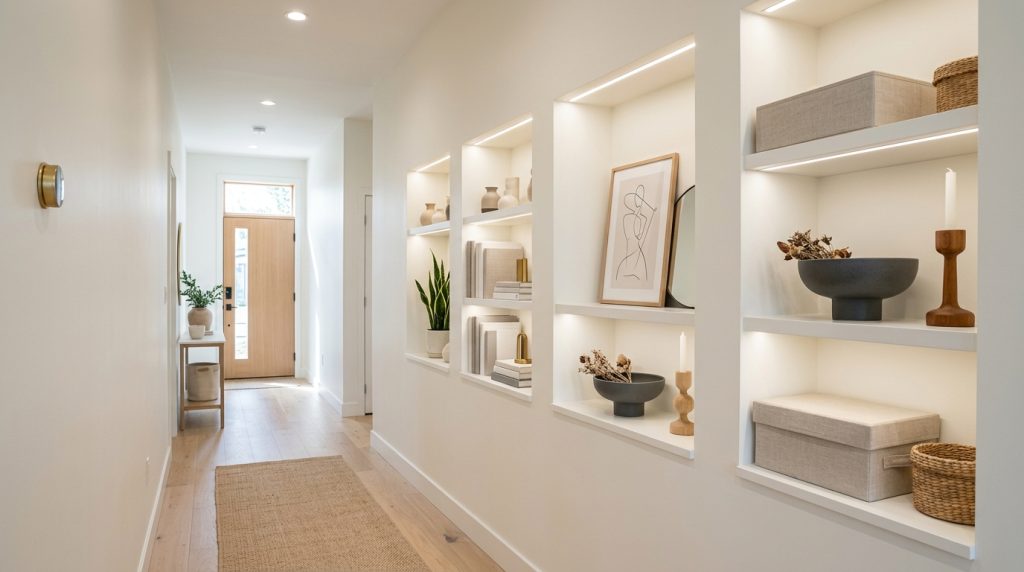
Built-in storage niches provide integrated organization within hallway walls. This idea involves creating recessed sections for storage or display. It maximizes space without adding bulk. This concept supports minimalist style and is often featured in Pinterest ideas.
The process requires marking wall sections and carefully cutting into drywall. Install shelving within the niche and finish edges smoothly. Paint to match surrounding walls. This step by step method ensures a clean result. Materials include tools, wood panels, and finishing supplies.
Common Beginner Mistakes and How to Avoid Them
Common mistakes in hallway decor include overcrowding, poor spacing, and ignoring scale. Placing too many items reduces functionality and creates visual clutter. Maintaining consistent spacing between elements ensures balance. Incorrect measurements often lead to misalignment, which can be avoided by careful planning. Using oversized furniture in narrow hallways restricts movement. Selecting appropriately sized items prevents obstruction. Poor lighting choices can make the space appear smaller. Installing adequate lighting improves visibility. Skipping preparation steps, such as cleaning walls or measuring accurately, often leads to uneven results. Following a structured step by step approach reduces errors. Beginners should focus on simple layouts and gradually expand their designs. This ensures better control over the final outcome.
Practical Tips for Better Results
Achieving effective hallway decor requires attention to detail and consistent execution. Use a limited color palette to maintain visual harmony. Measure all elements before installation to ensure proper fit. Maintain equal spacing between decorative items for balance. Choose materials that are durable and easy to maintain. Incorporate storage solutions that serve both functional and aesthetic purposes. Keep designs aligned with the overall home decor style for consistency. Regularly reassess the arrangement to ensure it remains organized. These practical tips support better results and improve the overall quality of the project.
Styling, Presentation, or Organization Ideas
Styling a hallway involves arranging elements in a way that supports both movement and visual clarity. Use symmetry to create balance, especially in narrow spaces. Combine decorative and functional items to maintain usability. Group smaller objects into organized clusters rather than spreading them randomly. Use vertical space effectively to avoid floor congestion. Maintain clean lines and avoid excessive decoration. This approach aligns with minimalist style and ensures a cohesive appearance.
Budget or Time Planning
Hallway decor projects can be completed efficiently with proper planning. Set a clear budget before purchasing materials. Prioritize essential items and avoid unnecessary additions. Allocate time for each step, including preparation, installation, and adjustments. Completing one section at a time helps maintain focus and accuracy. Using simple DIY methods reduces both cost and time requirements. Planning ensures that the project remains manageable and organized.
Creative Expansion and Advanced Inspiration
Once basic hallway decor is complete, additional enhancements can be introduced for advanced results. Combine multiple ideas such as lighting and shelving for layered design. Experiment with textures such as wood, metal, or fabric to add depth. Introduce seasonal decoration changes to keep the space updated. Explore geometric layouts or custom-built features for unique designs. These creative ideas expand the possibilities while maintaining structure and functionality.


