
10 Living Room Decor Ideas
Introduction
Living room decor ideas play a central role in shaping the overall atmosphere of a home. This space functions as a primary area for relaxation, social interaction, and daily activities. A well-designed living room combines comfort, functionality, and visual consistency. Pinterest ideas often focus on practical yet visually appealing solutions that can be applied in real homes without complex processes. This article presents a structured collection of DIY and beginner friendly decor methods that align with modern design principles and realistic budgets. Readers will learn how to plan layouts, select materials, and implement creative ideas step by step. Each concept focuses on achievable results using accessible tools and simple techniques. The goal is to provide clear guidance that supports both aesthetic improvement and efficient space organization. Whether working with a small room or a larger layout, these ideas offer adaptable solutions that can be customized according to individual needs. The article also explains preparation methods, common mistakes, and practical improvements to ensure consistent results throughout the creative project.
Why This Idea Is Trending or Useful
Living room decor ideas remain popular because they offer immediate visual impact and functional improvement. Pinterest inspiration highlights how small changes can significantly alter a space without requiring major renovations. These ideas are useful because they focus on budget ideas, simple materials, and easy project execution. Many designs follow minimalist style principles, which emphasize clean layouts and intentional decoration. This approach reduces clutter and improves usability. DIY methods are especially relevant because they allow users to personalize their space while maintaining cost control. Beginner friendly tutorials make it easier for individuals with no prior experience to complete projects step by step. The increasing focus on organization and efficient space use also contributes to the popularity of these ideas. Modern homes often require flexible layouts, and decor solutions must support both aesthetics and practicality. Pinterest ideas respond to this need by combining visual appeal with functional design. These trends continue to grow because they provide realistic, adaptable, and creative solutions for everyday living environments.
Materials and Preparation
Preparing for a living room decor project requires clear planning and proper material selection. Common materials include wood panels, fabric, paint, adhesive hooks, wall art prints, lighting fixtures, and storage units. Tools may include measuring tape, level tools, drills, scissors, and basic hand tools depending on the project type. Before starting, it is important to measure the available space accurately. This ensures that all elements fit proportionally within the layout. Planning also involves selecting a consistent color palette and design theme, such as modern design or minimalist style. This step helps maintain visual harmony across all decor elements. Preparation should include cleaning the area and removing unnecessary items to create a clear working space. Organizing materials in advance improves efficiency during the execution process. Budget planning is also essential to avoid overspending. Prioritize essential items first, then add decorative elements gradually. A structured approach ensures that each step in the tutorial remains manageable and produces consistent results throughout the project.
Idea 1: Neutral Minimalist Layout
How to Create
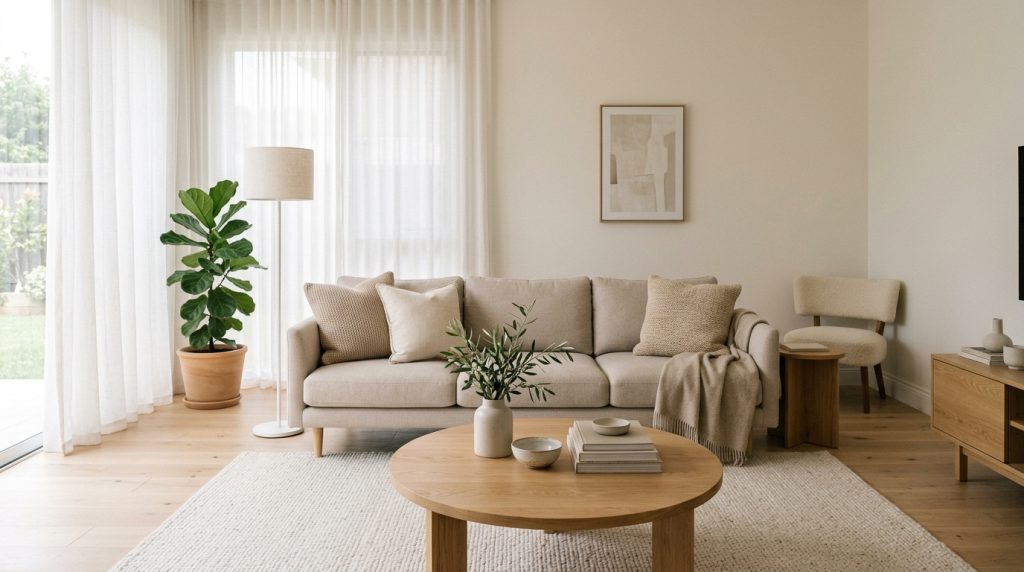
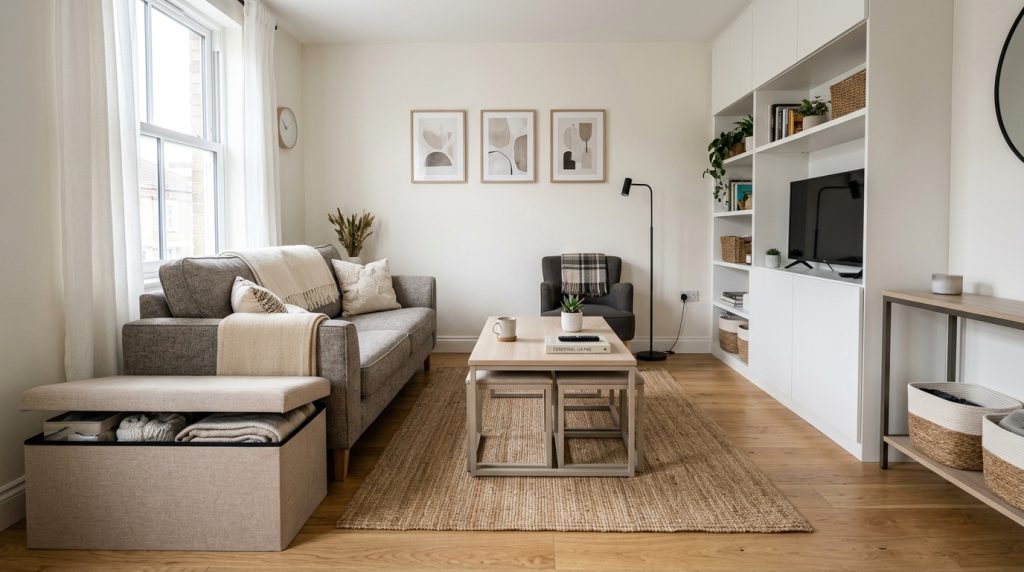
A neutral minimalist layout focuses on simplicity, balance, and intentional use of space. This concept uses a limited color palette, typically including shades of white, beige, gray, and soft earth tones. The goal is to create a calm and uncluttered environment that enhances visual clarity. Furniture selection should prioritize clean lines and functional design. Avoid excessive decoration and instead focus on a few key elements that define the room. Lighting plays a significant role in this style, so natural light should be maximized where possible. Soft artificial lighting can be added to maintain a consistent atmosphere. This approach aligns with modern design principles and is widely used in Pinterest ideas due to its adaptability. It works well in both small and large living rooms. The simplicity of the layout also makes it beginner friendly and easy to maintain over time. This style supports organization and reduces visual distractions, making the space more practical for everyday use.
The execution process begins with decluttering the room and removing unnecessary items. Start by selecting a neutral color scheme and applying it to walls, furniture, and textiles. Choose a simple sofa with clean lines and pair it with a minimal coffee table. Use light curtains to allow natural light to enter the space. Add one or two decorative elements such as a framed artwork or a small plant to maintain balance. Storage solutions should be integrated discreetly to keep the space organized. Use hidden storage units or simple shelves to manage items efficiently. Arrange furniture to allow clear movement pathways and avoid overcrowding. This step-by-step method ensures that each element contributes to the overall aesthetic. The result is a clean, functional, and visually consistent living room that reflects minimalist style principles.
Idea 2: Gallery Wall Arrangement
How to Create
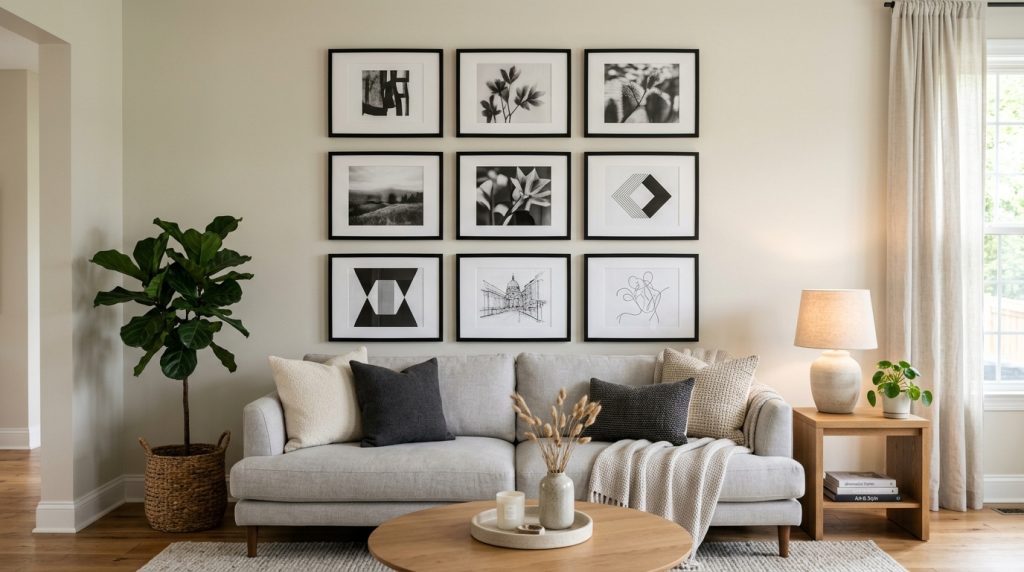
A gallery wall arrangement is a structured way to display artwork, photographs, or prints on a single wall. This idea focuses on creating a visual focal point that adds character to the living room. The design can follow a symmetrical grid or a more flexible arrangement depending on the desired aesthetic. Frames should be consistent in color or material to maintain cohesion. This approach allows for creative expression while keeping the layout organized. Pinterest ideas often highlight gallery walls because they are customizable and adaptable to different themes. This concept works well in both modern design and traditional settings. The key is to maintain spacing consistency and alignment. A gallery wall enhances the overall decoration without occupying floor space, making it suitable for smaller rooms. It also allows for easy updates by replacing or rearranging frames over time.
To create a gallery wall, begin by selecting the images or prints you want to display. Arrange them on the floor first to test different layouts before mounting them on the wall. Use a measuring tape to ensure equal spacing between frames. Mark positions lightly on the wall to guide placement. Install hooks or nails securely, ensuring they can support the weight of the frames. Start with the central piece and build outward to maintain balance. Step back periodically to check alignment and spacing. This step-by-step method ensures accuracy and consistency. Once installed, adjust any misalignment for a clean finish. This easy project requires basic tools and minimal materials, making it accessible for beginners. The result is a structured and visually engaging wall that enhances the overall living room decor.
Idea 3: Layered Lighting Setup
How to Create
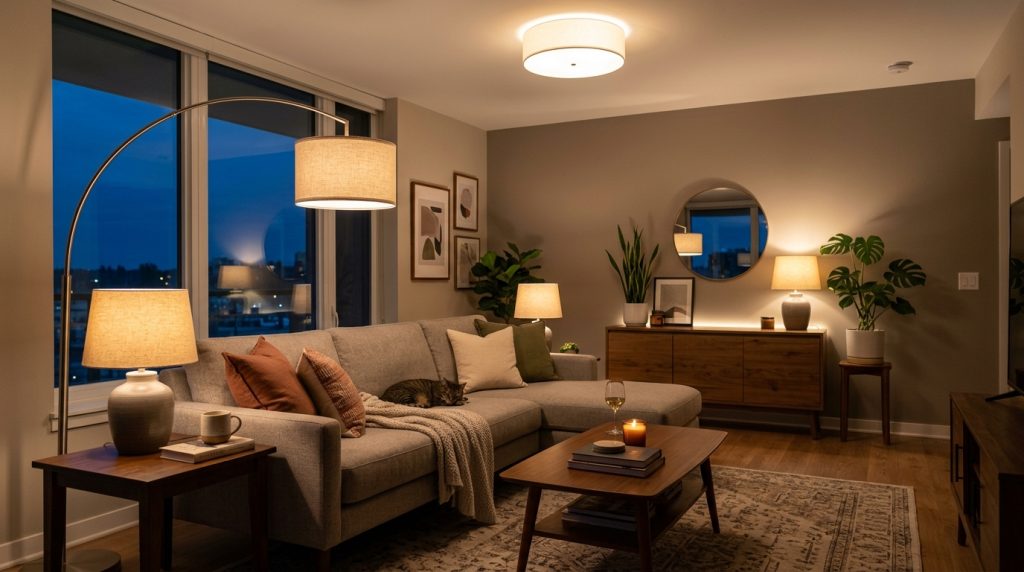
Layered lighting involves combining different types of lighting to create depth and functionality. This method includes ambient lighting, task lighting, and accent lighting. Ambient lighting provides overall illumination, while task lighting focuses on specific activities such as reading. Accent lighting highlights decorative elements or architectural features. This approach improves both usability and aesthetic quality. Pinterest inspiration often features layered lighting because it transforms the mood of a space without major changes. This concept supports modern design by creating a balanced and flexible environment. Proper lighting placement enhances the perception of space and improves comfort. It also allows for adjustments based on different activities or times of day.
To implement layered lighting, start by installing a primary light source such as a ceiling fixture. Add floor lamps or table lamps to create task lighting zones. Use LED strips or wall-mounted lights to highlight specific areas such as shelves or artwork. Ensure that all light sources complement each other in color temperature. Warm lighting is commonly used for living rooms to create a comfortable atmosphere. Position lights strategically to avoid harsh shadows or glare. Test different combinations to achieve the desired effect. This step-by-step setup ensures that lighting is both functional and visually balanced. The process requires basic materials and simple installation techniques, making it a practical DIY project for beginners.
Idea 4: Textured Fabric Accents
How to Create
Textured fabric accents add depth and tactile variation to a living room without altering the structure of the space. This idea focuses on incorporating materials such as cotton, linen, wool, or woven textiles through cushions, throws, and rugs. The purpose is to create visual contrast while maintaining a cohesive color palette. Texture enhances the perception of comfort and adds detail to minimalist layouts. Pinterest ideas frequently highlight this method because it is simple, adaptable, and cost-effective. It allows for seasonal adjustments by replacing or layering fabrics. This concept works well in both modern design and traditional interiors. The key is to balance textures without overwhelming the space. Too many contrasting materials can reduce visual clarity, so careful selection is required.
To implement this idea, start by selecting a base color scheme. Choose cushions and throws that introduce subtle texture variations while staying within the palette. Layer a rug to define the seating area and add warmth. Arrange fabrics in a way that looks natural rather than overly structured. Ensure that all items are proportionate to the furniture size. This step-by-step process requires minimal tools and focuses on arrangement rather than construction. Regular adjustments can be made to maintain freshness in the decor. This easy project is beginner friendly and supports ongoing customization.
Idea 5: Floating Shelf Display
How to Create
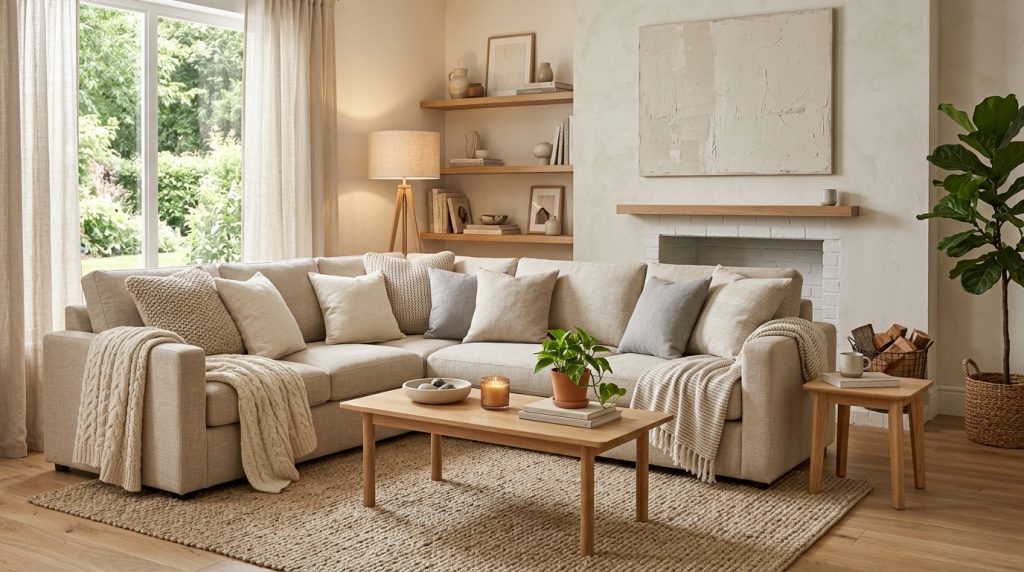
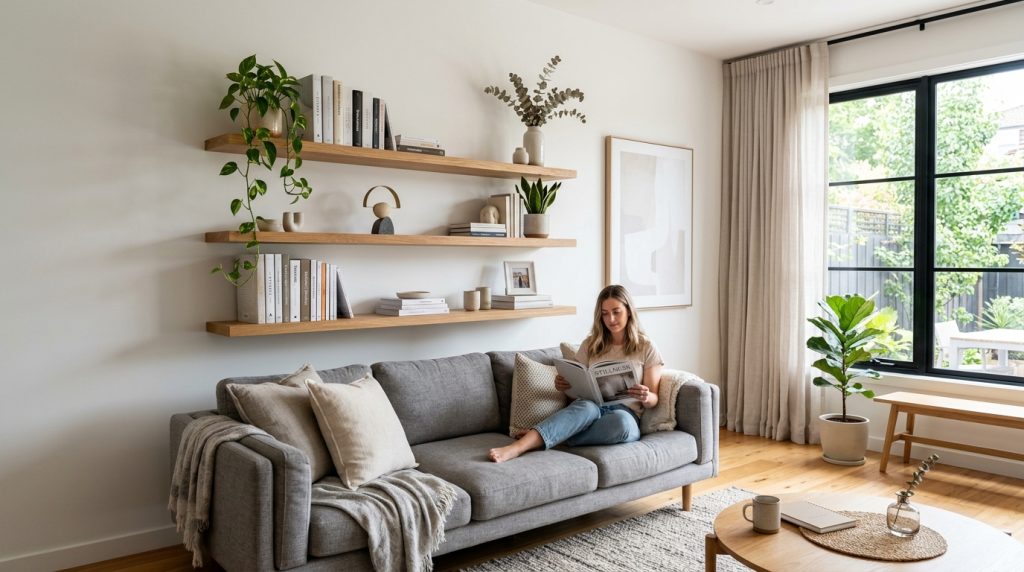
Floating shelves provide a practical solution for storage and decoration without occupying floor space. This idea focuses on vertical organization and clean presentation. Shelves can be used to display books, plants, or decorative objects. The design emphasizes simplicity and alignment, making it suitable for minimalist style interiors. Pinterest inspiration often features floating shelves due to their versatility and efficient use of space. They contribute to organization while maintaining an open layout. Proper placement is essential to ensure balance and accessibility.
To install floating shelves, begin by measuring the wall area and marking positions. Use a level tool to ensure straight alignment. Install brackets securely and attach the shelves according to instructions. Arrange items in a balanced manner, avoiding overcrowding. Group objects by size or color for consistency. This step-by-step setup ensures stability and visual clarity. The materials required are basic and widely available, making this a practical DIY solution.
Idea 6: Indoor Plant Integration
How to Create
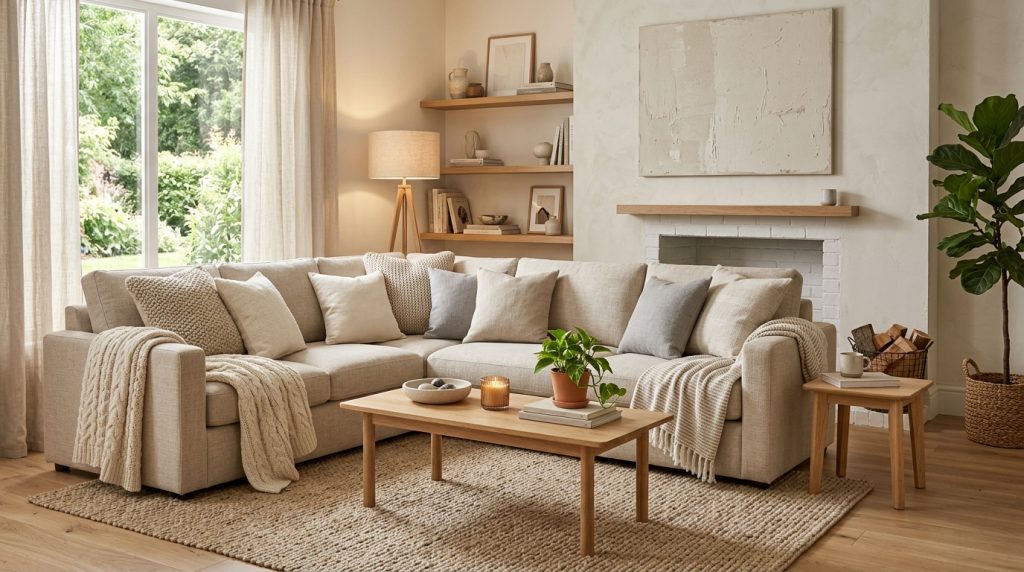
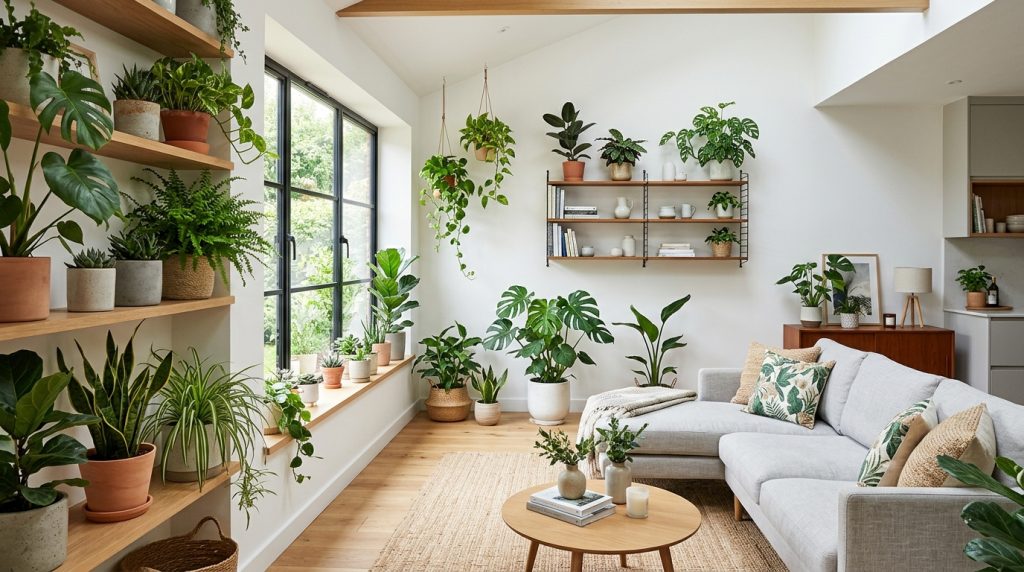
Indoor plants introduce natural elements into the living room, improving both aesthetics and air quality. This idea focuses on incorporating greenery in a structured and intentional manner. Plants can be placed on shelves, tables, or corners to create visual balance. Pinterest ideas often highlight plant integration as a simple way to enhance decor. The concept works well with modern design by adding contrast to neutral spaces.
To implement this idea, select plants that are suitable for indoor conditions. Use simple pots that match the room’s color scheme. Position plants in areas with adequate light. Maintain spacing to avoid clutter. Regular care such as watering and cleaning ensures longevity. This beginner friendly project requires minimal tools and offers long-term benefits.
Idea 7: Statement Wall Paint
How to Create
A statement wall uses color or pattern to create a focal point in the living room. This idea focuses on highlighting one wall while keeping others neutral. It adds depth and visual interest without overwhelming the space. Pinterest inspiration often features bold yet controlled color applications.
To create a statement wall, choose a color that complements existing decor. Prepare the wall by cleaning and priming the surface. Apply paint evenly using proper tools. Allow sufficient drying time before adding furniture or decor. This step-by-step process ensures a clean and professional finish.
Idea 8: Functional Storage Baskets
How to Create
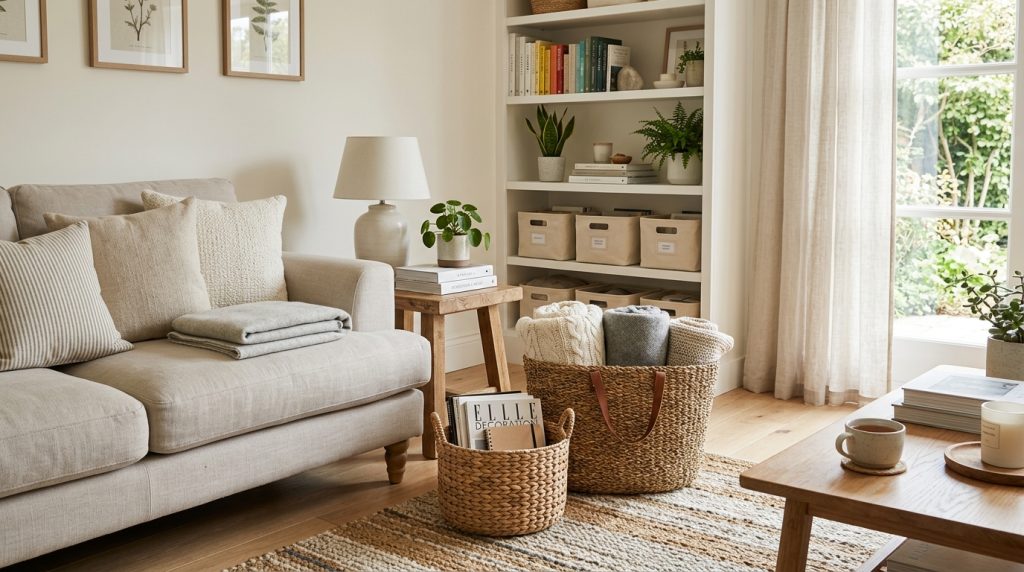
Storage baskets provide an organized solution for managing everyday items. This idea focuses on combining functionality with aesthetic appeal. Baskets can store blankets, magazines, or small accessories while maintaining a clean layout.
To implement this idea, select baskets that match the room’s style. Place them in accessible locations such as near seating areas. Group similar items together for efficient organization. This easy project requires minimal effort and improves overall space management.
Idea 9: Mirror Placement for Space Enhancement
How to Create
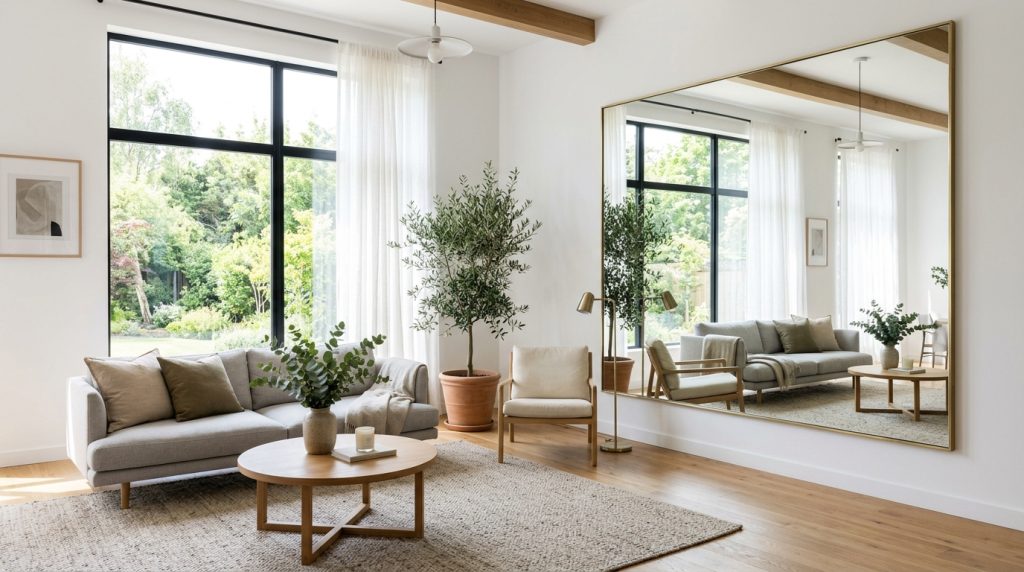
Mirrors are used to reflect light and create the illusion of a larger space. This idea focuses on strategic placement to maximize brightness and openness. Pinterest ideas often highlight mirrors as a practical decor solution.
To apply this concept, place mirrors opposite windows or light sources. Choose frames that match the room’s design. Ensure secure installation. This step-by-step method enhances both functionality and visual appeal.
Idea 10: Multi-Use Furniture Setup
How to Create
Multi-use furniture combines storage and functionality in a single piece. This idea focuses on maximizing space efficiency. Items such as storage ottomans or convertible tables are commonly used.
To implement this idea, select furniture that serves multiple purposes. Position it strategically within the layout. Ensure easy access to storage compartments. This practical approach supports organization and efficient space use.
Common Beginner Mistakes and How to Avoid Them
Many beginners make the mistake of overcrowding the living room with too many decorative items. This reduces functionality and disrupts visual balance. Another common issue is inconsistent color selection, which creates a fragmented appearance. Poor planning often leads to incorrect measurements and mismatched furniture sizes. To avoid these problems, focus on a clear design plan before starting. Use a limited color palette and prioritize essential items. Measure all areas accurately and test layouts before final placement. Avoid rushing the process, as careful execution ensures better results.
Practical Tips for Better Results
For improved outcomes, maintain consistency in materials and color schemes. Use layered lighting to enhance depth and functionality. Regularly reassess the layout to ensure it meets current needs. Keep surfaces organized and avoid unnecessary additions. Small adjustments can significantly improve the overall appearance. Focus on quality placement rather than quantity of decor items.
Styling, Presentation, or Organization Ideas
Arrange decor elements in groups to create visual balance. Use symmetry or structured layouts for a clean appearance. Combine different textures carefully to add depth without clutter. Maintain clear pathways for movement. Consistent styling improves both usability and aesthetic value.
Budget or Time Planning
Set a clear budget before starting any project. Prioritize essential items and allocate funds accordingly. Break the project into smaller steps to manage time efficiently. Use available materials where possible to reduce costs. Planning ensures steady progress and avoids unnecessary delays.
Creative Expansion and Advanced Inspiration
Advanced ideas include combining multiple decor techniques such as lighting, textures, and storage solutions. Experiment with layered designs while maintaining balance. Introduce subtle variations in color and material for a refined look. Continuous adjustments and creative exploration allow the living room to evolve over time while maintaining a consistent design direction.